Extreme weather events due to climate change are exacerbating housing and infrastructure precarity in many parts of the world. In turn, these forms of precarity also increase vulnerability to climate impacts. During the 2021 British Columbia heat dome – the deadliest weather event in Canadian history – almost all of the 619 deaths occurred at home or in a hotel, with the elderly, disabled, and poor disproportionately impacted. Wildfire, flooding, and rising sea levels are already pushing existing infrastructure to the breaking point. The immense social investment required to reinvent our built environment to survive, thrive, and mitigate climate change constitutes an ambitious and wide-ranging opportunity to transform our societies. This stream of work involves co-developed research and policy approaches for transforming our built environment and critical infrastructures, while redressing intersecting inequities.
We ask: how do we ensure that our efforts do not reproduce the colonial and capitalist infrastructures while creating life-supporting infrastructure? How do we ensure that climate ‘solutions’ focused on decarbonizing and increasing the resilience of built environments and infrastructure do not deepen existing inequities?
Topics in this research stream:
- Housing precarity, tenancy, and housing justice
- Extreme weather events
- Energy and industrial transitions
- Climate change mitigation
- Mobility justice
Project spotlights
Staying Cool: Experiences and Challenges Using Cooling Centres in Metro Vancouver
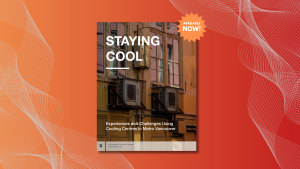
As British Columbia contends with increasingly hot summers, community cooling spaces open to anyone to come and cool down are increasingly important. But they come with their challenges, and many residents are uncomfortable or unable to use them. What specifically are these barriers and experiences? How might governments, non-profits, and community organizations be able to address them? This report shares the experiences and challenges of those who use or choose not to use cooling centres, and provides recommendations for moving forward.
Too Hot to Think Small: The Case for a Right to Cool in British Columbia
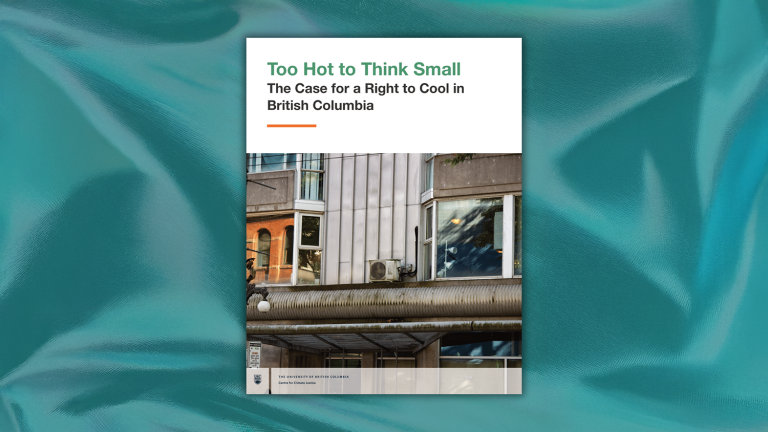
Researchers from the Centre for Climate Justice have created the Right to Cool Report, calling for transformative, rights-based action to ensure no one is left behind in a warming province. Drawing on the lived experiences of renters, seniors, migrant workers, disabled people, and low-income communities, this report calls for more than technical fixes or temporary programmes. It offers a holistic framework for heat governance rooted in equity, care, and enforceable protections, aiming to create systemic solutions for a more equitable future.
Housing Justice in a Climate Emergency: Intersecting Tenant Vulnerabilities to Extreme Weather
Partnership with the Tenant Resource Advisory Centre (TRAC)
High Roads to Resilience: Building Equitable Forest Restoration Economies in California and Beyond
In partnership with the Climate and Community Project.
Putting the Future First: a Blueprint for Community Just Transition Planning in Canada
In partnership with the Canadian Centre for Policy Alternatives